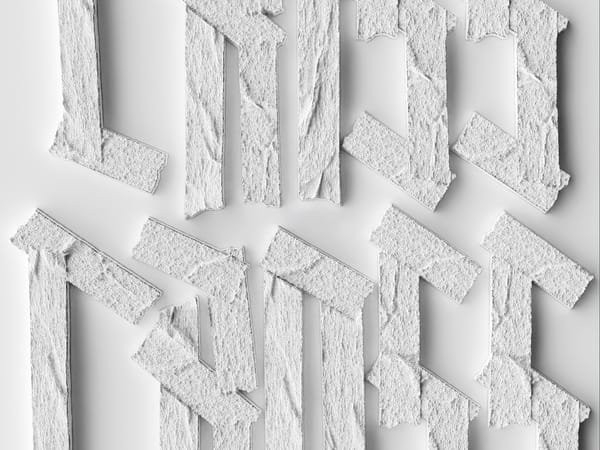
Design the Process, Ignore the Score
"Design the process and the work compounds quietly while everyone else chases the scoreboard."
Creative work collapses when attention fixes on the scoreboard.
Likes.
Sales.
Replies.
Approvals.
Scores feel objective.
They feel motivating.
They also distort behaviour.
Design the process.
Ignore the score.
That shift changes everything.
Why Scores Hijack Creative Behaviour
Scores arrive late.
They lag effort.
You post today.
The response arrives later.
Sometimes much later.
During that gap, the mind fills space.
You interpret silence.
You imagine judgement.
You adjust prematurely.
Work bends toward reaction instead of intention.
Process-focused creatives keep moving while results catch up.
Scores Measure Outcomes, Not Skill
Scores reflect context.
Timing.
Audience mood.
Market noise.
Algorithm shifts.
None measure depth of thinking.
None measure craft.
None measure direction.
Chasing scores optimises for surface response.
Designing process optimises for repeatable quality.
Only one compounds.
Freelancers Feel Scores as Pressure
For freelancers, scores look like income.
A quiet week feels like failure.
A slow reply feels personal.
A rejected pitch feels definitive.
Panic follows.
Lower rates.
Broader services.
Rushed delivery.
Reaction replaces judgement.
A stable process steadies income indirectly.
Consistent outreach.
Clear positioning.
Reliable delivery.
Results follow rhythm, not urgency.
Feedback Is Input, Not Direction
Feedback helps.
Overweighting it hurts.
When every reaction reshapes decisions, work loses coherence.
Taste weakens.
Identity blurs.
Process protects direction.
You decide how you work before opinions arrive.
Feedback informs.
It does not steer.
Process Creates Control
Scores sit outside your control.
You influence them.
You do not command them.
Process sits inside your control.
When you work.
What you practise.
What standard holds.
Control reduces anxiety.
Reduced anxiety improves judgement.
The Long Feedback Loop
Creative careers run on delay.
Skills compound slowly.
Reputation builds quietly.
Trust forms over years.
Scores reward short spikes.
Process supports long accumulation.
Judge too early and you quit too soon.
Process extends patience.
What Process Design Means
Process design answers three questions.
When do I work.
What do I work on.
How do I decide what is done.
Clear answers remove friction.
No daily negotiation.
No mood dependency.
No reactive pivots.
You follow the system even when confidence dips.
Especially then.
A Practical Example
For me, this looks like:
- Daily Cinema 4D study
- One poster every week
- Weekly outreach
- Monthly review
None guarantee results today.
Together they guarantee progress.
Why Designers Improve Faster Without the Score
When the score fades, experimentation feels safer.
You try ideas without defending them.
You explore without rushing conclusions.
You refine without urgency.
Comparison quiets.
You measure today against yesterday.
Effort against effort.
Taste sharpens through repetition, not applause.
What Happens When Scores Lead
When scores lead, behaviour shifts fast.
You abandon ideas early.
You copy what performs.
You avoid risk.
Short-term safety replaces long-term voice.
Originality fades quietly.
Process-led creatives avoid this erosion.
Process Protects Identity
Identity forms through repeated action.
A process defines those actions.
You become someone who shows up.
Someone who follows through.
Someone who refines patiently.
Scores fluctuate.
Identity holds.
How Often to Check the Score
Less than you think.
Weekly.
Monthly.
Quarterly.
Enough to adjust.
Not enough to destabilise.
Use scores as diagnostics, not directives.
Why This Matters Over Decades
Creative careers stretch long.
Trends shift.
Platforms disappear.
Markets tighten.
Process adapts.
Identity persists.
Those who design process survive volatility.
Final Thought
Scores tempt you to react.
Process teaches you to continue.
Design the process.
Trust the repetition.
Check the score rarely.
Keep going.
✉️ Every other Sunday I share short, honest reflections on creativity & freelancing: Read the newsletter →