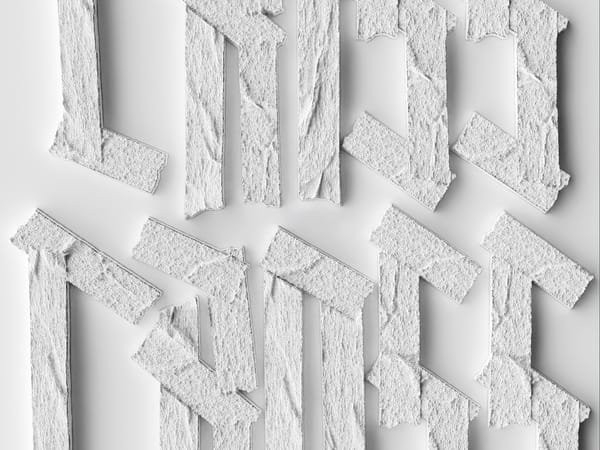
Comfort Blocks Progress •• Feedback Reveals It
“Comfort is not rest ·· comfort is avoidance dressed as stability.”
Creative work invites improvement by default.
New tools.
New briefs.
New layouts.
New clients.
New expectations.
You grow because the field keeps moving.
You build skill because each project asks something slightly different.
Then comfort arrives.
Comfort feels safe.
Comfort feels earned.
That’s where growth slows.
Comfort turns your work into a closed loop.
You repeat familiar moves.
You protect known decisions.
You rely on habits that once worked well.
You stop learning without noticing.
You stop stretching because nothing forces you to stretch.
Comfort is not rest.
Comfort is avoidance dressed as stability.
Feedback breaks that spell.
Feedback reveals whether you want progress or comfort.
Comfort creates the illusion of momentum
Comfort feels productive.
You deliver on time.
Results stay predictable.
Your routine feels stable.
These signals look like progress.
They often hide stagnation.
When challenge disappears, development follows.
When friction drops, learning slows.
Comfort builds fear quietly.
The more settled you feel, the more you avoid situations that question your ability.
You avoid new software.
You avoid demanding briefs.
You avoid clients with higher expectations.
You avoid showing unfinished work.
You avoid directions that expose gaps.
Growth requires exposure.
Comfort removes exposure.
Freelancers feel this first
Freelancers rely on what has worked before.
The same clients.
The same project structure.
The same schedule.
Safety becomes strategy.
You say yes to familiar work.
You say no to projects that stretch you.
That choice feels sensible in the short term.
It limits range in the long term.
Comfort becomes a shield.
It blocks discomfort.
It also blocks opportunity.
Designers fall into the same loop
Designers repeat visual systems that feel easy.
They stay inside familiar colour ranges.
They rely on patterns that require little resistance.
Portfolios settle into safe zones.
Exploration slows.
Demanding tools get ignored.
Risk feels unnecessary.
Comfort rewards consistency.
It punishes growth.
Feedback exposes the truth
Feedback removes illusion.
It shows how others experience your work.
It reveals the gap between intention and execution.
It highlights blind spots your process hides.
Feedback collapses ego protection.
You cannot stay comfortable once someone shows you what needs improvement.
You cannot hide behind habit once weakness becomes visible.
Feedback exposes your relationship to growth.
People who want progress welcome honest feedback.
They ask for it.
They listen without arguing.
They change decisions when needed.
They let work evolve beyond habit.
People who want comfort resist feedback.
They ask for praise instead of critique.
They dismiss signals.
They defend familiar choices.
They repeat patterns that feel safe.
Feedback is information.
The question stays simple.
Do you want it or not?
Why comfort reacts and progress adapts
Comfort reacts emotionally.
Progress responds structurally.
Comfort hears threat.
Progress hears signal.
Comfort protects identity.
Progress develops ability.
This difference decides trajectory.
How to use feedback without losing direction
Feedback works best when you control the frame.
Ask precise questions
Vague prompts produce polite answers.
Precision invites honesty.
Ask:
• What feels strong here
• What feels weak
• Where does this slow down
• Which part loses clarity
• Which decision feels unnecessary
• What would you change if this were yours
Specific questions reduce noise.
They focus attention on improvement.
Choose the right people
Seek feedback from those who understand the work.
Senior designers.
Art directors.
Peers who operate at higher standards.
Avoid commentary without context.
It distracts more than it helps.
Expect resistance
Feedback rarely feels neutral.
Discomfort marks the edge of learning.
If defensiveness appears, pause.
Your reaction points to the work you need to do.
Ego reacts first.
Clarity arrives second.
Separate work from identity
Feedback critiques decisions, not worth.
Design solves problems.
Feedback helps you solve them better.
Treat it as a tool.
Not a verdict.
Apply changes quickly
Speed reduces attachment.
The longer you wait, the more you protect the old version.
Small adjustments build momentum.
New drafts surface new ideas.
Iteration sharpens judgement.
Track repeated signals
Patterns matter more than one-off notes.
If the same critique appears twice, pay attention.
If it appears three times, act.
Patterns reveal where practice belongs.
Why freelancers need feedback systems
Freelancing lacks structure.
No manager checks decisions.
No team reviews output.
No process corrects drift.
Avoiding feedback expands blind spots.
Growth slows.
Work plateaus.
The market rewards those who improve consistently.
The market moves quickly.
Feedback accelerates learning.
It sharpens instincts.
It strengthens portfolios.
It raises standards.
Freelancers who avoid feedback rely on luck.
Freelancers who seek it build capacity.
Why designers need it even more
Design evolves fast.
Tools compress decades into years.
Formats shift.
Visual language changes.
Feedback keeps thinking flexible.
It challenges assumptions.
It exposes habit.
It stretches range.
Designers who welcome feedback grow into complex roles.
They handle ambiguity.
They guide teams.
They lead direction.
Designers who resist feedback repeat ideas until the industry moves past them.
Breaking comfort loops deliberately
Comfort fades when feedback becomes routine.
Not a crisis response.
Not a last resort.
A practice.
• Share draft work early
• Ask for critique in small batches
• Treat suggestions as options, not commands
• Test before rejecting
• Reflect on outcomes
• Keep moving
Progress follows motion, not protection.
A reminder worth keeping
Feedback is not a threat.
Feedback is a mirror.
Comfort keeps you where you are.
Honest insight moves you forward.
The creatives who grow fastest invite truth early.
They revise without drama.
They adapt without attachment.
They move without waiting.
You choose the direction.
Protect comfort and defend your current level.
Invite feedback and build the next one.
Comfort blocks progress •• feedback reveals it.
Choose accordingly.