Every Deal Is Two Deals. This One and the Next One.
Every project has two prices. The one on the invoice, and the one paid in whether they call you again. Most freelancers quote the first and ignore the second.
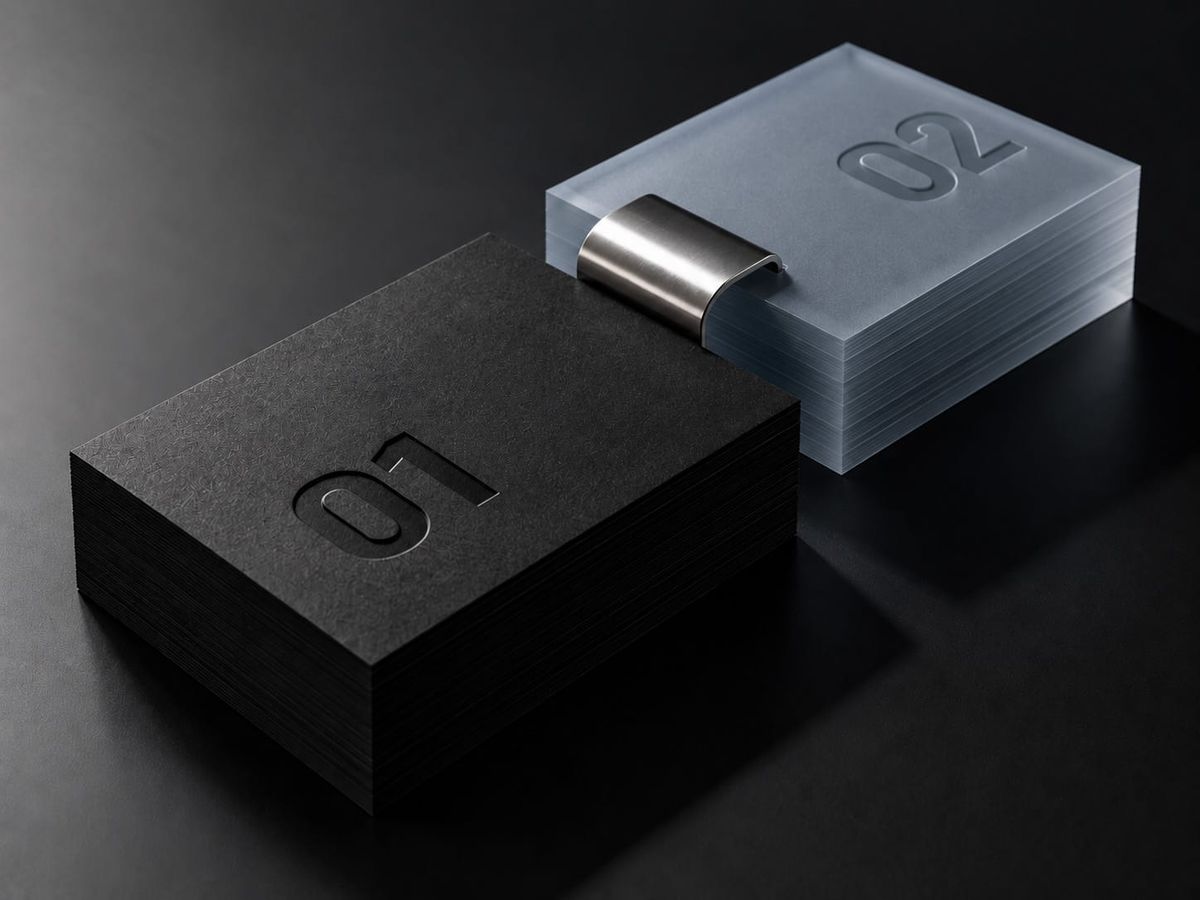
Every project you take on has two prices.
The one on the invoice.
The one paid in whether they call you again.
Most freelancers quote the first and ignore the second.
The second is where the career lives.
The Deal You Can See
The visible deal is the one you negotiate.
Scope, fee, timeline, deliverables.
You argue over it, sign for it, deliver against it.
When it closes, the money arrives and the file is filed.
That deal is finite.
It has a start, a middle, and an end.
Most freelancers organise their entire practice around it.
They quote it correctly.
They deliver it well.
They move on.
Then they wonder why the pipeline is a constant hunt.
The Deal You Cannot See
The second deal is settled quietly, without anyone naming it.
It is settled in how you handled the awkward email on Tuesday.
In whether you were the reason the print deadline slipped.
In how you spoke about the client's boss to their junior.
Nobody writes it down.
Nobody signs it.
The client is deciding, the whole time, whether you exist in their working life beyond this file.
That decision is worth more than the invoice.
A repeat client is not a new lead.
No pitch.
No proposal.
No trust to rebuild.
The margin on the second project is the fee minus almost nothing.
The freelancers with quiet careers are not better at finding clients.
They are keeping the ones they already have.
What the Second Deal Rewards
The second deal rewards things the first one does not price.
Answering the email the day it lands.
Flagging the problem before it becomes a problem.
Delivering what you said, on the day you said.
None of this is glamorous.
None of it goes in the portfolio.
All of it decides whether there is a next project.
It also rewards the harder things.
Telling the client the idea is not working, when the fee has already been agreed.
Turning down the extra scope you cannot do well, when the money would be useful.
Sending the smaller invoice when the job came in under estimate.
Every one of those moments feels expensive in the first deal.
Every one of them is the second deal being won.
The freelancer who over-optimises for the invoice loses this quietly.
Not on the current job.
On the six that never appear.
What the Second Deal Punishes
It punishes anything that made the client feel like a resource.
The revised quote that grew after the brief was signed.
The deliverable that arrived the morning it was due, with no time to react.
The email that read fine to you and cold to them.
None of these break the first deal.
The first deal closes. The invoice is paid.
The second deal quietly does not open.
You will not know.
There is no notification.
The client will not tell you.
They hire someone else next time, and you assume the work went quiet.
Most freelancers spend their careers refilling a pipeline that leaks at exactly this seam.
The leak is not visible from inside the first deal.
It is only visible in the shape of the year.
If most of the year is new clients, the second deal is failing.
Assume Two Projects
The practical shift is small and unglamorous.
Assume every project is two projects.
Price the first one honestly.
Behave through the whole run as if the second one is already scheduled.
You are not being nice.
You are protecting the margin on the work that has not been quoted yet.
The client who calls you back is worth more than the client you land.
You cannot see this in a single quarter.
You see it across three years.
The freelancers who have been at this for a decade have almost no first deals left.
Their calendar is second deals, third deals, fifth deals.
Their pitch rate is close to zero.
Their fees are higher, because trust does the work a proposal used to do.
They did not build that by pitching harder.
They built it by treating every deal as the opening of the next one.
Closing
Every deal is two deals.
The first one pays the month.
The second one builds the year.
You cannot win the second deal after the first one closes.
You win it in the middle of the first one.
Before you send the next email, ask whether it sounds like someone the client wants to hire again.
Somebody is scoring.
🪶 Want more creative insights each Sunday?
Read more on the blog → / Join on Instagram →